
Ayurvedic Treatment for Joint Pain in Noida: Supporting Comfort and Mobility
Joint pain can affect simple daily activities such as walking, climbing stairs, exercising or getting out of bed. It may develop due to overuse, an old injury, age-related changes, poor posture, inflammation or conditions such as osteoarthritis.
Temporary pain may improve with rest, but recurring pain, swelling or stiffness needs proper medical evaluation. People searching for Ayurvedic treatment for joint pain in Noida should choose a clinic that focuses on identifying the nature of the problem before recommending any therapy.
Understanding Joint Pain from an Ayurvedic Perspective
Ayurveda considers an individual’s body constitution, digestion, lifestyle, age, sleep pattern and the characteristics of the discomfort. For example, the practitioner may ask whether the pain is sharp or dull, whether stiffness is worse in the morning, and whether the affected joint feels warm, swollen or dry.
This detailed assessment helps the practitioner create a personalised care plan. Ayurvedic treatment should complement appropriate medical diagnosis, particularly when pain is persistent or severe.
Common Reasons for Joint Discomfort
Joint pain can be associated with several factors, including:
- Age-related wear and tear
- Repetitive physical activity
- Previous injuries
- Prolonged sitting or poor posture
- Weakness of the supporting muscles
- Excess body weight
- Inflammatory or autoimmune conditions
Because these causes require different approaches, using pain-relief oil at home without identifying the underlying issue may not provide lasting comfort.
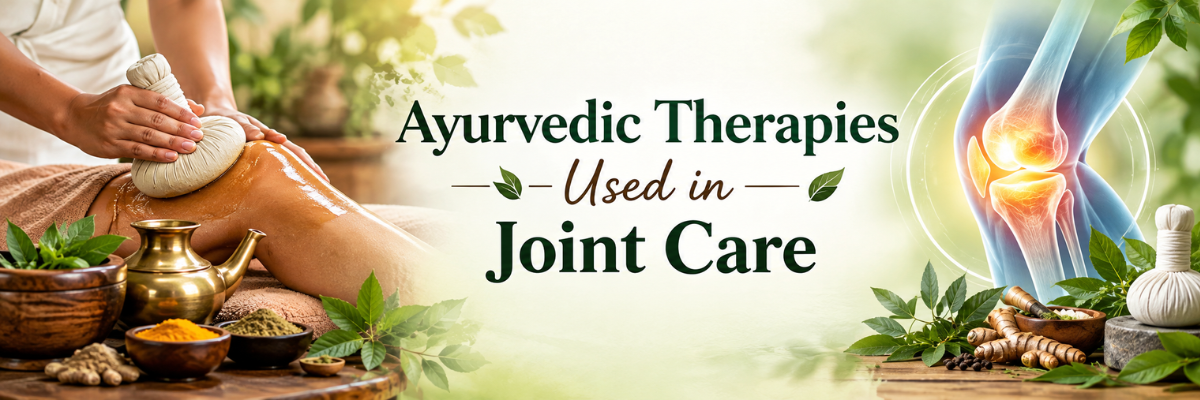
Ayurvedic Therapies Used in Joint Care
Localised Herbal Oil Application
Warm herbal oils may be applied to the affected area using gentle massage movements. The oil and pressure are selected according to the joint, skin condition and type of discomfort.
Janu Basti for the Knees
Janu Basti is a localised Ayurvedic procedure in which comfortably warm oil is retained over the knee for a specific period. It may be included in a supportive plan for knee stiffness or discomfort after professional assessment.
Kati Basti for the Lower Back
Kati Basti focuses on the lower-back region. It is sometimes combined with massage or mild fomentation. However, back pain accompanied by weakness, numbness or bladder and bowel changes requires immediate medical evaluation.
Swedana or Herbal Fomentation
Controlled warmth may be used after oil application to support relaxation and comfortable movement. Swedana may not be appropriate in cases involving acute inflammation, certain skin conditions or other medical concerns.
Lifestyle Support for Joint Health
A responsible plan for Ayurvedic treatment for joint pain in Noida may also include advice on daily movement, posture, sleep and food habits.
Regular low-impact activity can help maintain mobility and strengthen the muscles supporting the joints. The exercise plan should be appropriate for the person’s age and diagnosis. Sudden or excessive exercise may worsen an existing injury.
Weight management may also reduce unnecessary pressure on weight-bearing joints such as the knees and hips. Instead of following a restrictive diet, patients should seek balanced and sustainable guidance.
When Should You See a Doctor?
Consult a qualified doctor if joint pain follows an injury or is accompanied by considerable swelling, redness, fever, deformity, numbness or difficulty bearing weight. Pain that continues for several days, repeatedly returns or interrupts sleep should also be evaluated.
Ayurvedic therapies should not replace emergency care, diagnostic tests or prescribed medication without the treating doctor’s advice.
Frequently Asked Questions
Can Ayurveda permanently cure joint pain?
Joint pain has many possible causes, so no single therapy can guarantee a permanent cure. Ayurveda may provide supportive, personalised care based on the diagnosis and individual condition.
How many therapy sessions will I need?
The number of sessions depends on the affected joint, severity, duration of symptoms and response to treatment. A practitioner can suggest a plan after examination.
Can Ayurvedic therapy be combined with physiotherapy?
In some cases, they may be used together under professional supervision. Inform both practitioners about all ongoing treatments and medicines.
Conclusion
The right Ayurvedic treatment for joint pain in Noida begins with careful evaluation rather than a standard treatment package. Personalised therapies, suitable exercise, weight management and medical follow-up can work together to support joint comfort and mobility.