
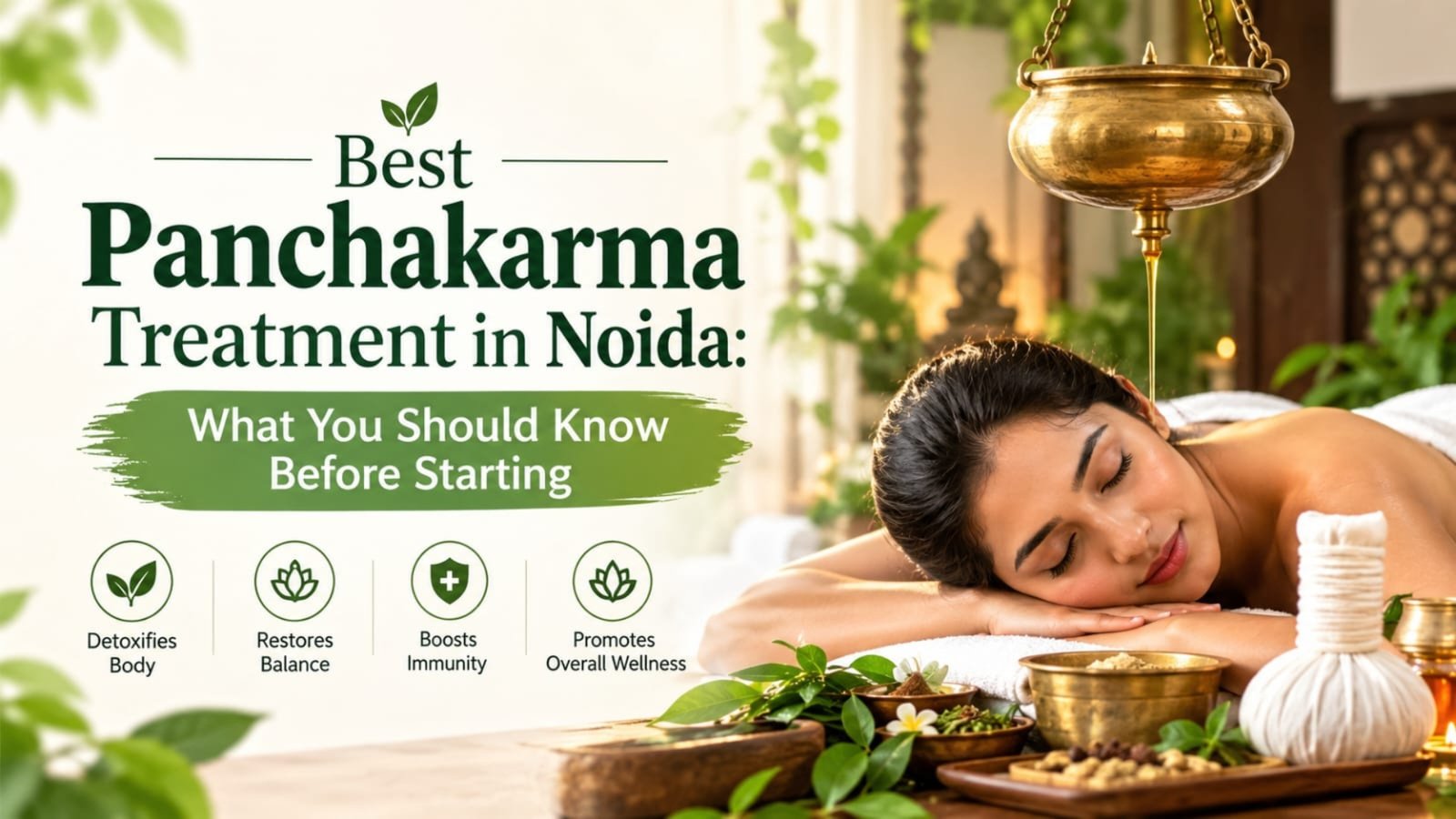
Best Panchakarma Treatment in Noida: What You Should Know Before Starting
Life in a busy city often leaves little time for proper meals, adequate sleep or regular exercise. Long working hours, processed food, stress and disturbed routines can gradually affect digestion, energy and overall well-being. Ayurveda looks at these concerns by understanding the individual rather than focusing only on isolated symptoms.
Panchakarma is one of Ayurveda’s most recognised therapeutic approaches. It is not simply an oil massage or a short detox package. It is a planned process that may involve preparation, cleansing therapies, dietary guidance and post-treatment care.
If you are searching for the **best Panchakarma treatment in Noida**, understanding how the therapy works can help you choose the right clinic and treatment plan.
Understanding Panchakarma
The word Panchakarma comes from two Sanskrit words: *Pancha*, meaning five, and *Karma*, meaning therapeutic action or procedure. In classical Ayurveda, Panchakarma is used to help remove accumulated *Ama* and restore balance among Vata, Pitta and Kapha doshas.
However, Panchakarma is not identical for every patient. The treatment is selected after considering a person’s body constitution, current dosha imbalance, age, digestive strength, lifestyle, season and medical history.
This is why a proper Ayurvedic consultation should always come before the therapy.
Panchakarma Is Not a Standard Detox Package
One of the most common misunderstandings about Panchakarma is that everyone must undergo all five procedures. In reality, an Ayurvedic doctor may recommend only one or two therapies, depending on the patient’s condition.
Before the main procedure, the body is usually prepared through *Purva Karma*. It may include internal or external oleation, Ayurvedic oil massage, herbal steam and a suitable diet. These preparatory steps help the body adjust to the main cleansing therapy.
After the procedure, *Paschat Karma* or post-treatment care is followed. This may include rest, a light diet and gradual return to a normal routine.
Main Therapies Used in Panchakarma
The five classical Panchakarma procedures are:
### Vamana
Vamana is a medically supervised therapeutic emesis procedure. It may be recommended in selected conditions where Kapha imbalance is dominant. It should never be attempted without professional supervision.
### Virechana
Virechana is a controlled purgation therapy commonly associated with balancing aggravated Pitta. The patient is prepared carefully before the procedure, and dietary care is required afterwards.
### Basti
Basti involves the administration of medicated oil or herbal decoction through the rectal route. Ayurveda considers it an important therapy for Vata-related concerns. Different types of Basti may be selected according to the patient’s condition.
### Nasya
During Nasya therapy, a prescribed quantity of medicated oil or herbal preparation is administered through the nasal passage. It is traditionally used for concerns related to the head, neck and upper respiratory area.
### Raktamokshana
Raktamokshana is a specialised bloodletting procedure used only in carefully selected cases. It requires proper assessment and should be performed by a trained Ayurvedic professional.
When May Panchakarma Be Considered?
People often explore **Panchakarma treatment in Noida** when they experience concerns such as:
* Frequent digestive discomfort or constipation
* A persistent feeling of heaviness
* Joint stiffness or reduced physical comfort
* Irregular sleep and mental fatigue
* Low energy despite adequate rest
* Stress caused by an unbalanced routine
* A desire for seasonal cleansing and rejuvenation
These symptoms can have different causes. Panchakarma should therefore not be selected through self-diagnosis. A qualified Ayurvedic doctor must first decide whether the therapy is suitable for you.
What Happens During the Treatment?
The duration of Panchakarma may vary from a few days to several weeks. A short programme may include massage, steam and supportive therapies, while a classical Panchakarma plan generally requires more preparation and recovery time.
During the treatment, you may be advised to eat freshly prepared and easily digestible food. Strenuous workouts, late nights, excessive travel and mental stress may also need to be avoided.
Following these instructions is an important part of the therapy. Ignoring the recommended diet or routine may affect the overall treatment experience.
When May Panchakarma Be Considered?
People often explore **Panchakarma treatment in Noida** when they experience concerns such as:
* Frequent digestive discomfort or constipation
* A persistent feeling of heaviness
* Joint stiffness or reduced physical comfort
* Irregular sleep and mental fatigue
* Low energy despite adequate rest
* Stress caused by an unbalanced routine
* A desire for seasonal cleansing and rejuvenation
These symptoms can have different causes. Panchakarma should therefore not be selected through self-diagnosis. A qualified Ayurvedic doctor must first decide whether the therapy is suitable for you.
What Happens During the Treatment?
The duration of Panchakarma may vary from a few days to several weeks. A short programme may include massage, steam and supportive therapies, while a classical Panchakarma plan generally requires more preparation and recovery time.
During the treatment, you may be advised to eat freshly prepared and easily digestible food. Strenuous workouts, late nights, excessive travel and mental stress may also need to be avoided.
Following these instructions is an important part of the therapy. Ignoring the recommended diet or routine may affect the overall treatment experience.
Frequently Asked Questions
1. How long does Panchakarma treatment take?
The duration depends on the therapy and the patient’s condition. It may last from 3 to 21 days or longer in certain cases.
2. Is Panchakarma suitable for everyone?
No. Some therapies may not be suitable during pregnancy, acute illness, severe weakness or certain medical conditions. Prior consultation is essential.
3. Can Panchakarma be done at home?
Classical Panchakarma procedures should not be performed at home without supervision. Only mild supportive practices prescribed by an Ayurvedic doctor may be followed at home.
4. Does Panchakarma help in weight loss?
Panchakarma is not a direct weight-loss treatment. It may support digestion and metabolism when combined with an appropriate diet, activity and lifestyle plan.
5. Is Panchakarma the same as an Ayurvedic massage?
No. Ayurvedic massage may be part of the preparation, but Panchakarma is a broader treatment process involving assessment, preparation, cleansing and aftercare.
*Disclaimer: This content is meant for general information only. It does not replace medical diagnosis or treatment. Consult a qualified Ayurvedic or healthcare professional before starting Panchakarma.*